We have been developing rapid prototype technology since the 1980s, and in the 1990s we successfully commercialization the worlds first 3Dprinter. Since then, we have continued to prioritize technology and made our brand a part of history.
What we do
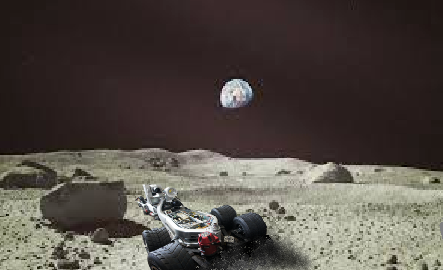
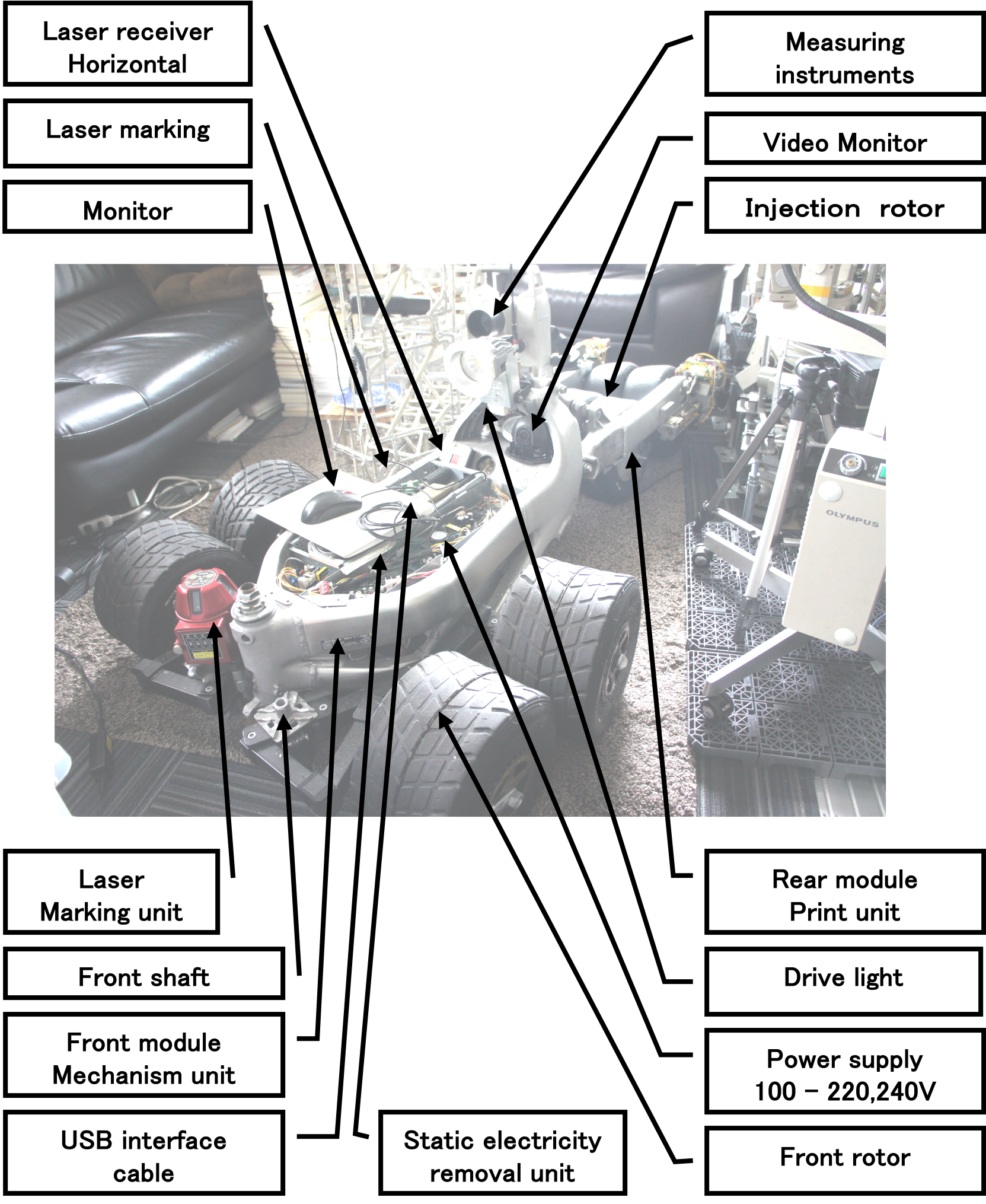
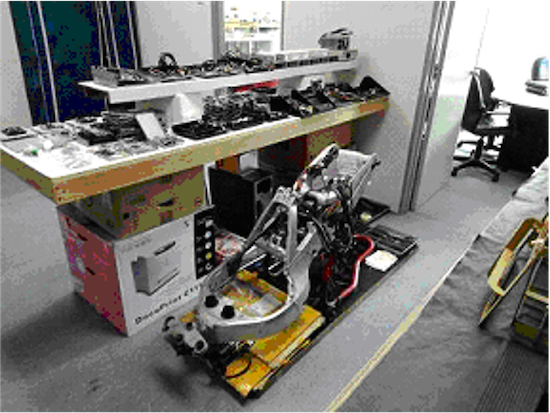
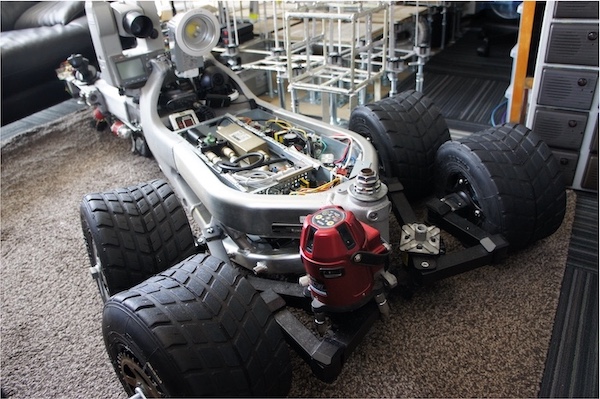
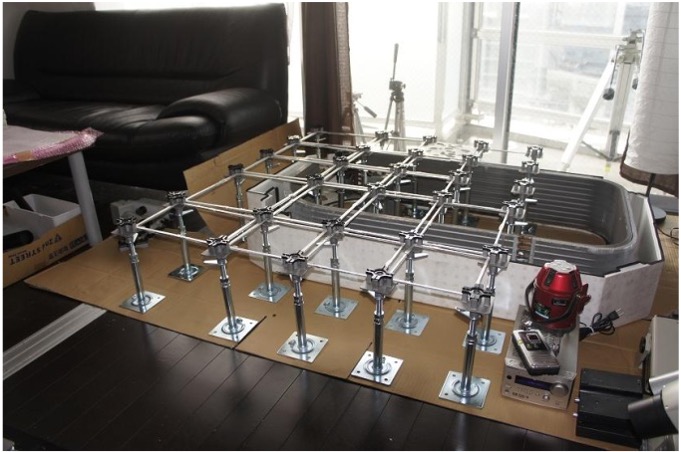
There is a small, lightweight, metal 3D printer in our lab. And appearance is similar to that of a small EV, and it is small and lightweight. Its greatest feature is that it can build three-dimensional structures in deep space by itself.
What we do
Civilizations and cultures that use fossil fuels on Earth inexhaustibly will not be able to carry out lunar activities or migrate to Mars. This is because the local environment is extremely harsh and resources are scarce. On the other hand, terrestrial environmental construction technology that can be operated in deep space with limited energy and resources will achieve Earth's Zero Carbon Zero Energy.
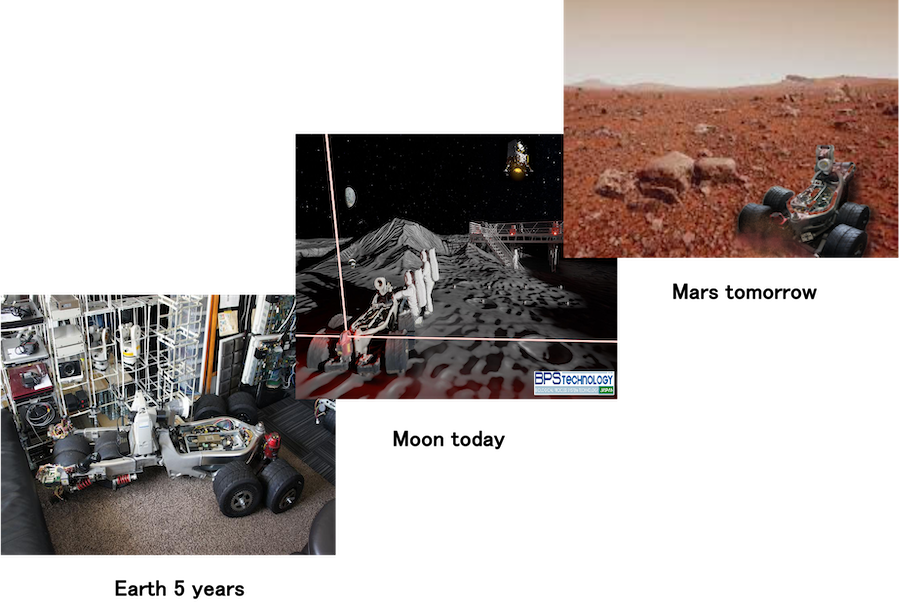
The Universal 3Dprinter can use typical building materials such as iron, aluminum, and glass that are found in homes on Earth, the Moon, and Mars. It does not use water or air, is less dependent on gravity, and weighs about 100 kg for an adult size. We have integrated designs for Earth, the Moon, and Mars, and mass production will achieve amazing high functionality and low prices.
The Universal 3Dprinter offers a new option to build your own house on a weekend. It provides creative and rich possibilities for a future of patience and a future where the next generation is poorer than now.
References
[1] RAPID PROTOTYPING Principles and Applications ( C K Chua, K F Leong & C S Lim) 2nd Edition ISBN-13-978-981-238-120-0
What we do
The need for a lunar spaceport
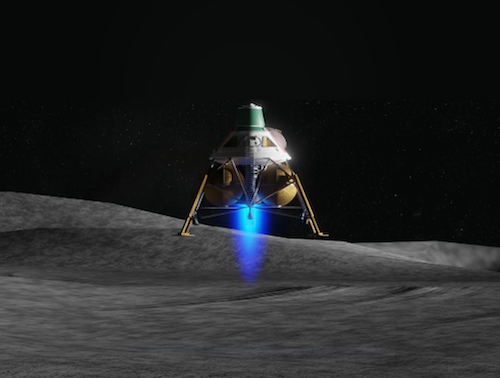
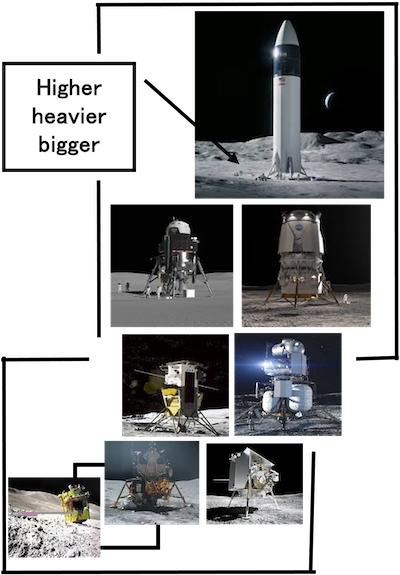
Past successful landings from Apollo 11 to SLIM, which are in the lower left of the figure, were with lightweight craft weighing less than a few tons. As the lunar lander becomes lager and its center of gravity shift upward, the lander’s ability to handle the situation alone exceeds its limits.
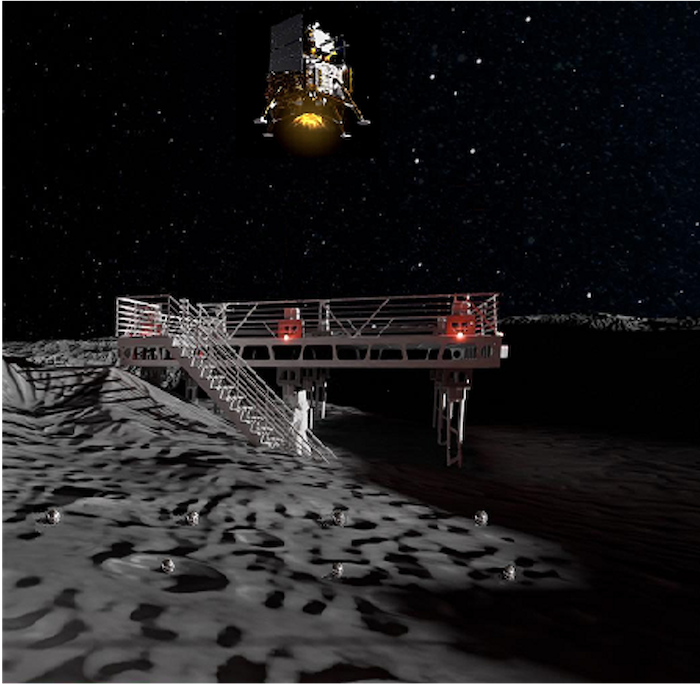
Future landings in the upper right of the figure are impossible due to the heavy load and regolith (light specific gravity of sand), and miniaturizing the landing feet would also be fatal. Send a “super-compact construction system” by “small landing craft” and construct a "large-scale spaceport".
Construction on the moon is now possible with a metal 3Dprinter the size and weight of a human.
References
[2] Author Marian Murean Babes-Bolyai University, Faculty of Mathematics and Computer Science, in Cluj-Napoca, Romania.
Product
The 3Dprinter can be easily operated both indoors on Earth and inside the lander in deep space. The completed structure can be transported outside and assembled.
This means that workers do not need to go outside, and can stay inside the spacecraft safety and comfortably without the risk of radiation exposure.
Technology point
Construction without civil engineering works takes advantage of the slope by Additive Manufacturing Technology
Technology point
2 packages from the cargo bay to the cockpit. Launch system independent.
Mission
Project deepspace-airport
Temporary initial projects for large-scale Lunar construction
Use a small rocket for Earth orbit insertion
Project history
TRL4 Concept system ( 2009 Malaysia )
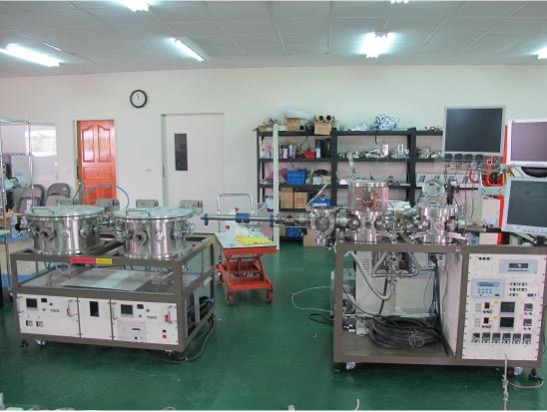
TRL5 Prototype system ( 2012 Taiwan )
TRL6 Commerce test system ( 2020 Japan )
Project schedule
TRL7 Moon surface lab ( 2025 Luxembourg )
TRL8 Material test in deep space ( 2026 )
TRL9 Construction start ( 2028 South Pole )
Mission
Introduction
Currently, the cost of transporting cargo from Earth to the Moon is in its early stages, at approximately 1 million US dollars per kilogram. In contrast, SpaceX, a US company, plans to reduce this cost by 1/100 by using a large lunar lander, the Spaceship, to transport 150 tons. However, the Moon's surface lacks a landing pad (PAD) like on Earth and a guidance system (Beacon). Therefore, as a countermeasure against regolith hazards, they are considering a medium-sized Spaceship, reducing the cargo capacity to 50 tons. This would result in a reduction of transportation revenues of 100 billion US dollars per trip.
This situation is similar to that of Blue Origin, a US company aiming for deep space development, and European companies, although their approaches are different. AI development companies in particular are looking to utilize deep space as a way to avoid future restrictions on the use of Earth's resources. Therefore, ultra-compact Earth environment construction systems are attracting attention as a way to dramatically reduce development costs for deep space environments.
Inspection
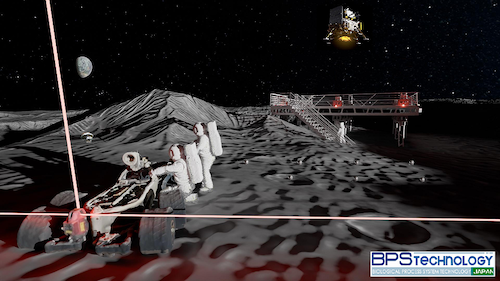
Our group will soon build a small space airport consisting of versatile PADs and BEACONs that can accommodate small to large lander plans. To achieve this, we will begin construction as soon as possible by sending small construction equipment (Handy Metal 3D Printer) via a small lunar lander. Currently, we are the only company that manufactures and operates a small, portable metal 3D printer capable of operating on the lunar surface.
Counter plan
This project will begin transporting construction materials to the lunar surface in 2028. We plan to build a spaceport on the moon by 2030. As a private company, our key business revenue will come from service charges from lunar lander operators or shippers using this spaceport. In the future, we will also provide a variety of services, such as post-landing storage and power supply. To advance this project, we will actively secure the necessary financial resources by accepting landing service reservations and monetizing businesses related to the spaceport.
Conclusion
Furthermore, we aim to create a market for micro lunar landers weighing less than 100 kg (earth weight) by providing a simple guidance system and resolving the shortcomings of small landers, such as inadequate navigation equipment. This will enable rocket launch companies originally aiming to launch Earth-orbiting satellites to access the lunar surface.
We recognize the importance of utilizing AI technology for deep space development. Therefore, our hardware's interface is already theoretically fully compatible with AI. This spaceport business is expected to expand rapidly, including support for the surface of Mars, and we aim to achieve high profitability as soon as possible.